A Practical Guide to Organic Crib Mattresses: Safety, Comfort, and Sustainable Choices
This guide dives into the world of organic crib mattresses, unpacking safety standards, materials, certifications, and practical care for longevity. From GOTS and GOLS certifications to breathable natural materials and moisture management, we explore how to create a clean, chemical-free sleep surface for the littlest sleepers—and why sustainable construction matters for families today.
What to Look for in an Organic Crib Mattress
Choosing a crib mattress for your baby is among the most important safety decisions a parent makes. An organic crib mattress prioritizes non-toxic materials, responsible sourcing, and durable construction. Look for certifications that verify claims about materials, processing, and safety standards, and assess how the mattress handles breathability, moisture, and longevity. In the following sections, we break down the key indicators that separate a good organic crib mattress from a merely promising one.
Certifications matter. Certifications like GOTS (Global Organic Textile Standard) and Made Safe indicate organic content, low chemical exposure, and overall product integrity. GOTS covers fiber production, processing, dyeing, and labeling, ensuring a high bar of environmental and social responsibility.
Materials that breathe. Organic cotton, certified natural latex, and other natural fibers offer better moisture management and air flow, which helps regulate baby temperature and reduce the growth of bacteria and mold.
Structure and durability. Look for a snug fit to standard crib sheets, reinforced edges, and a core that resists sagging and creasing. A well-made core distributes weight evenly, helping maintain proper spinal alignment as babies grow.
Hypoallergenic design. Materials like natural latex or organic cotton tend to resist dust mites and allergens, creating a sleep surface that supports sensitive little lungs.
Materials in Focus: Organic Cotton, Natural Latex, and Certified Foams
Organic crib mattresses typically pair a natural latex core or organic cotton inners with a protective cover that is free from harmful finishes. Each material brings distinct advantages for breathability, moisture management, and flexibility in care. Here’s a concise comparison to help you visualize what to expect from each option.
Organic Cotton Core
Organic Cotton Core
Soft, breathable, and chemical-free, organic cotton cores provide a comfortable surface with natural moisture-wicking properties. They’re often paired with a durable, organic textile cover to maintain a clean sleep environment.
Natural Latex Core
Natural Latex Core
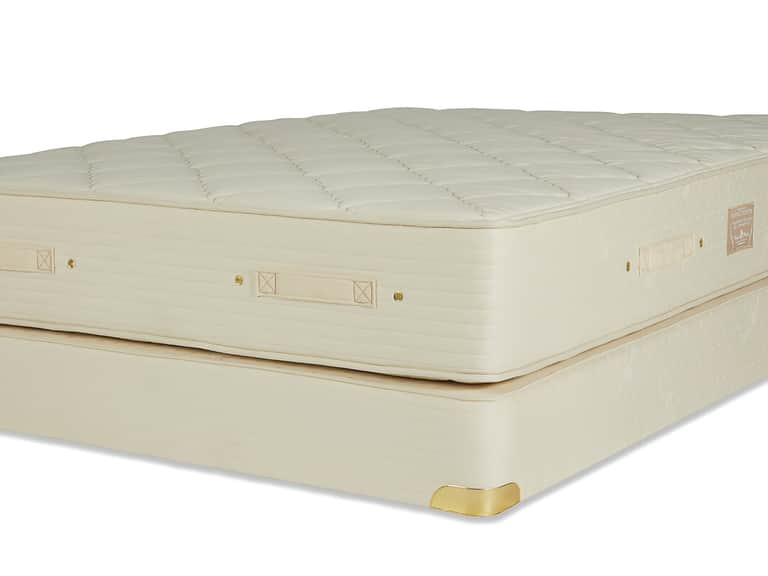
Latex offers resilient, responsive support with natural breathability. A latex core can help maintain surface texture and reduce compression over time, promoting a longer-lasting sleep surface for infants.
Certifed Foams
Certified Foams (Limited Use)
Some organic options use foams that meet stringent certifications and safety standards. If used, ensure they are CertiPUR or equivalent, verified for low emissions and child safety.
Certifications: How They Translate to Safety and Durability
A trustworthy organic crib mattress often wears its certifications like a badge of honor. Here’s what to look for and how to interpret them when you’re evaluating products for your baby’s sleep space.
GOTS (Global Organic Textile Standard). This is the premier certification for organic textiles, covering every step from harvest of raw materials to labeling. For crib mattresses, GOTS signals organic fiber content and adherence to environmentally friendly processing methods.
GOLS (Global Organic Latex Standard). If a latex core is used, GOLS ensures that the latex is 95% or more organic and that cultivation and processing meet high sustainability and social responsibility standards.
Made Safe. This certification focuses on materials that are free from harmful chemicals for children, including heavy metals, phthalates, and Flame Retardants where applicable.
CertiPUR or equivalent low-emission foams. When foams are involved, look for certifications that guarantee low VOC emissions and restricted chemical use for indoor environments.
Sound certification practice translates into fewer off-gassing concerns, reduced exposure to potentially irritating substances, and a sleep surface that supports healthy development. When you combine multiple certifications, you build confidence that the crib mattress aligns with ethical sourcing, environmental responsibility, and infant safety guidelines.
Practical Care and Longevity Tips
Maintaining a clean, chemical-free sleep surface for infants requires thoughtful care routines. Here are actionable steps to maximize the lifespan of an organic crib mattress while preserving safety and hygiene.
Follow the cover care instructions. Most organic crib mattresses feature removable, washable covers or protectors. Regular washing helps reduce the buildup of sweat, spit-up, and allergens.
Spot clean when possible. For minor spills, use a mild, baby-safe detergent and a damp cloth. Avoid soaking the core and allow it to air dry completely before re-covering.
Use a breathable moisture barrier. A certified organic mattress protector can wick away moisture while preventing staining, while still allowing air flow to reduce humidity around the baby.
Inspect for wear. Regularly check seams, edges, and the overall integrity of the mattress. A sagging or uneven surface can affect sleep and safety; replace if needed.
Air it out. When possible, remove the sheet and allow the mattress to air in a well-ventilated space to minimize lingering odors and moisture buildup.
Three Key Voices in the Field Across Time
To illuminate how the conversation about organic materials and baby sleep has evolved, we feature insights from three figures spanning different eras. Each offers a distinct lens on safety, material science, and ethical sourcing.
Margaret Murray (Early 20th Century)
Pioneering advocate for child welfare and hygiene in the home, Murray emphasized the importance of safe household environments and non-toxic fabrics for infants at a time when chemical concerns were not widely discussed.
Dr. Elena Rossi (Late 20th Century)
A pediatric sleep researcher who bridged psychology and physiology, Rossi explored how sleep surfaces influence infant comfort, breathing, and arousal thresholds, laying groundwork for modern bedding safety guidelines.
Ava Chen (21st Century)
A material science journalist who tracks certifications, ethical sourcing, and sustainable production in Baby Bedding, Chen highlights how organic standards translate to real-world safety and product quality for families today.
Case Study: A Peek at an Organic Crib Mattress You Might Consider
In retail ecosystems, you’ll encounter mattresses featuring organic cotton surfaces, natural latex cores, and protective, certified covers. One example that illustrates the fusion of organic materials and robust safety standards is a premium organic cotton mattress pad with GOTS certification, paired with a natural latex core. While not a crib mattress itself, such a setup demonstrates the type of high-integrity construction you should seek in a baby’s sleep surface: minimal chemical exposure, strong moisture control, and a core designed to maintain a steady, supportive surface through critical months of development.
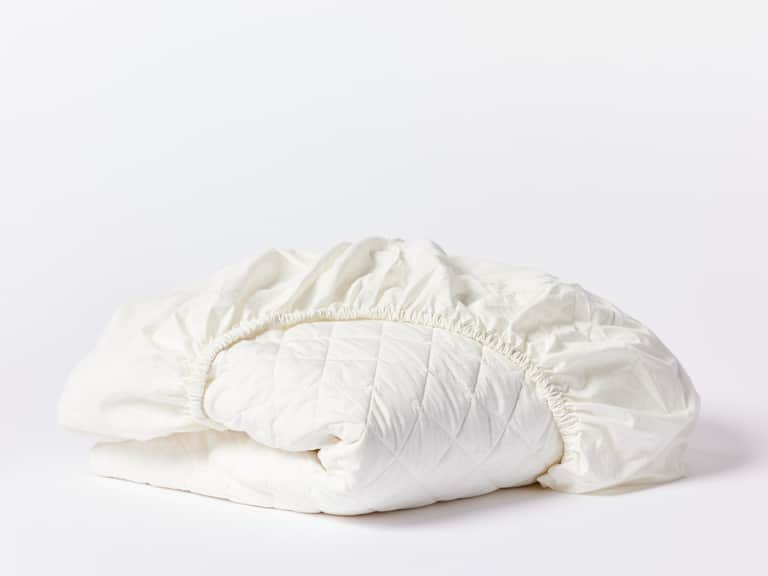
Organic Cotton Mattress Pad (GOTS, Made Safe)
Organic Cotton Mattress Pad
A GOTS-certified organic cotton mattress pad offers breathable softness and a secure fit, protecting the crib mattress while maintaining a chemical-free sleep surface. It’s a practical example of how organic textiles can function in a baby’s sleep ecosystem.
Origin: India; Certifications: GOTS, Made Safe; Care: Machine wash cold; tumble dry low. The pad features 2-inch quilted squares and 15-inch deep pockets for a snug, secure fit.
When evaluating a full crib mattress, combine this level of detail with a close look at the core materials, surface treatment, and edge construction. In practice, you want a product that complements a certified organic cover and a breathable, moisture-wicking environment. The right combination reduces exposure to synthetic chemicals while supporting comfortable, uninterrupted sleep—a crucial factor for infant growth and parental well-being alike.
Product Spotlight: A Sample Look at Vispring’s High-End Craft
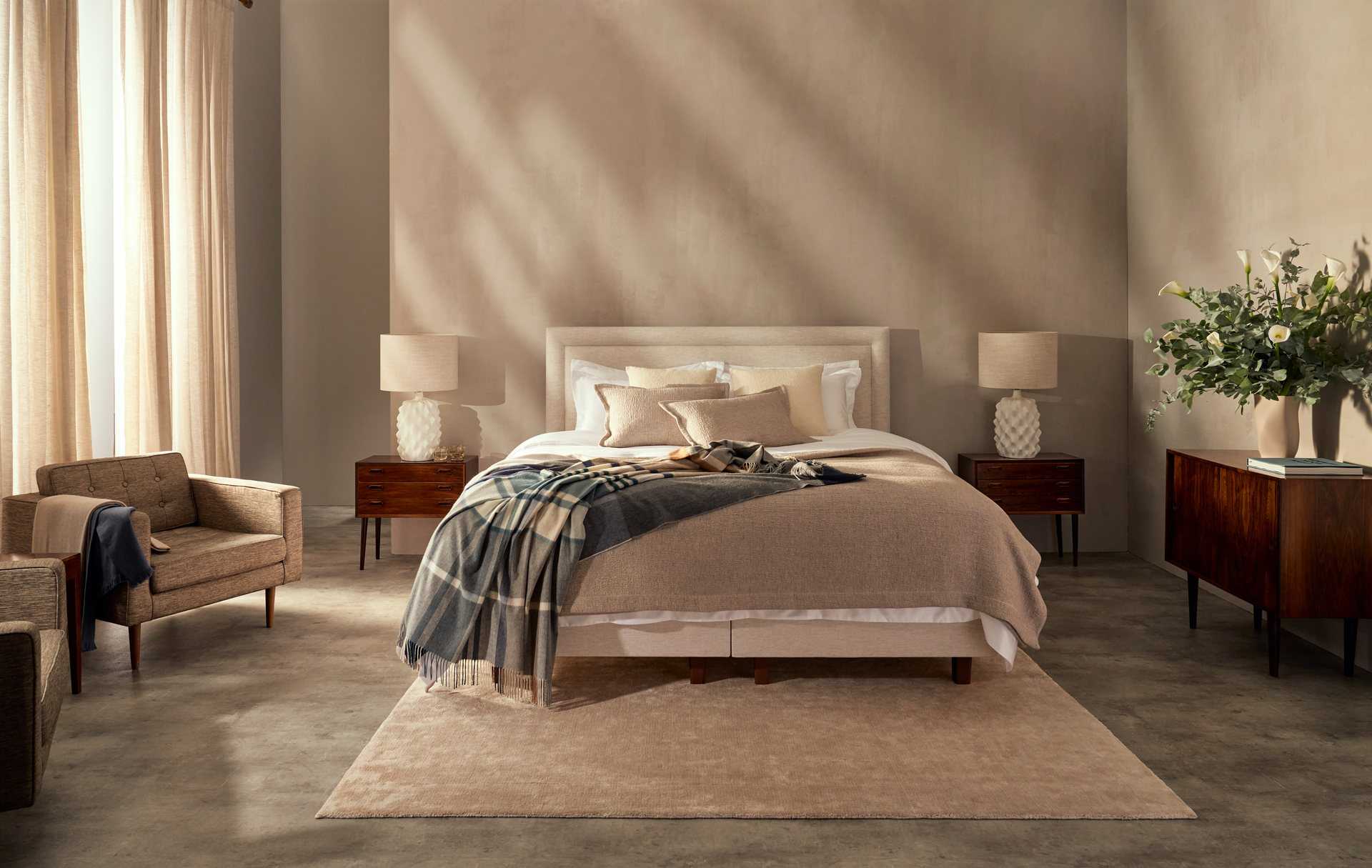
For readers who crave a sense of luxury in bedding discussions, consider a peek at premium, hand-crafted mattresses that illustrate the pinnacle of materials and construction. The Vispring Cashmere Superb exemplifies how luxury textiles, top-tier fillings, and meticulous handcraft combine to create a sleep surface with extraordinary softness and resilience. While not a crib mattress, this exemplar helps illuminate why some parents seek premium materials in beds they own for adults, and why the same material science concepts can inform safer, more sustainable choices for baby sleep surfaces.
Vispring Cashmere Superb (Sample Reference)
Vispring Cashmere Superb: A Study in Luxury Materials
Though designed for adult sleep, the Cashmere Superb demonstrates how cashmere blends with silk, wool, and a sophisticated spring system to achieve temperature regulation, softness, and long-term resilience. The layered construction highlights the value of premium fibers and careful engineering—principles that can inform safer, more sustainable choices in baby sleep products as markets evolve toward organic and natural alternatives.
Note: This is a reference product to illustrate construction quality and material philosophy; it is not a crib mattress.
As you compare options in the crib category, keep the focus on safety certifications, material purity, edge durability, and practical care routines. The aim is to foster a sleep environment that is not only safe and comfortable for infants but also aligned with sustainable practices and transparent ethics—ideals that Vicuna Mattress aspires to champion in its educational framing and content strategy.
Glossary of Key Terms
GOTS: Global Organic Textile Standard for organic fiber processing and labeling.
GOLS: Global Organic Latex Standard, certifying organic latex products.
Made Safe: Certification indicating products free from harmful chemicals for children.
BEDDING core materials: Organic cotton, natural latex, and certified foams with low emissions.
Breathability and moisture management: Key factors in infant sleep comfort and humidity control.
Starter Content Roadmap
If you’re planning a content program for vicunamattress.org, consider these initial topics to build a comprehensive, educational library that remains accessible and trustworthy for parents, caregivers, and educators.
Guide: How to read crib mattress labels and certifications
Material spotlight: The role of organic cotton in sleep safety
Material spotlight: Natural latex and its breathability benefits
Research roundup: Sleep science basics for infants
Ethics and sourcing: How to evaluate a brand’s supply chain
Luxuriously warm yet breathable, Cashmere Superb envelops you in cloud-soft comfort with responsive, independent springs that keep motion private and edge-to-edge support. Ultra-soft ticking, refined fill, and timeless cushioning for a restful, lasting sleep.
Experience balanced support with plush comfort: natural latex core, wool insulation, and premium cotton coat for temperature-wicking, mold resistance, and lasting flippable durability—great on slats or adjustable bases. Made in the USA.
Pure organic cotton mattress pad delivers everyday luxury with two-inch quilted squares and a secure, smooth fit thanks to 15-inch deep pockets and full elastic, all machine washable and certified GOTS and Made Safe for clean, lasting comfort.