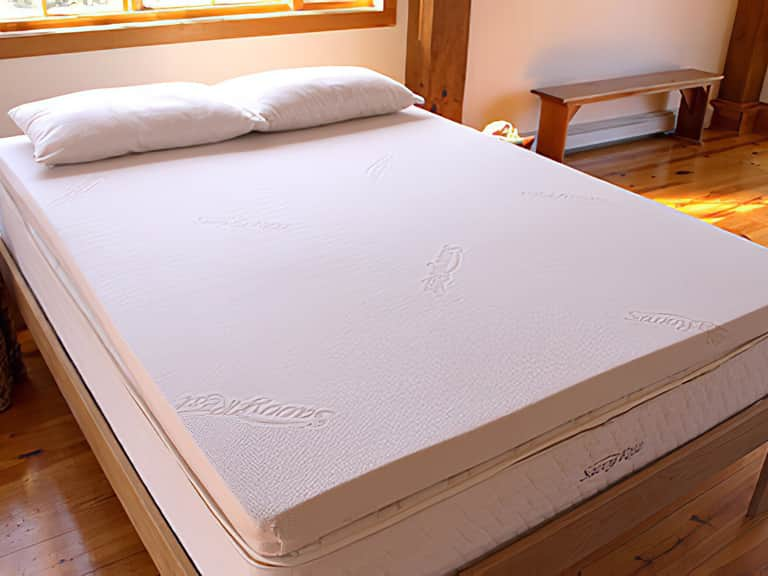
Bedding · Mattress construction
Inside Vispring’s Pocket-Spring Design: Materials, Support, and Longevity
A premium mattress is more than a soft place to land at the end of the day. Its spring layout, upholstery layers, and construction details all help shape how it feels—and how it may hold up over time. Here’s a closer look at Vispring’s pocket-spring approach, with practical questions to ask before choosing a sleep surface.
Published November 8, 2026
What makes a pocket spring different?
A pocket-spring mattress begins with an idea that is simple to picture: rather than joining every coil into one linked unit, each spring is enclosed in its own fabric pocket. When weight presses on one area, the springs nearby can respond with a degree of independence. That localized movement is one reason pocket springs are often associated with contouring support and reduced transfer of motion across a bed.
“Independent” does not mean that a spring acts in isolation from the rest of the mattress. The finished feel depends on the full construction: the number and arrangement of springs, their height and tension, the upholstery above them, and the way the perimeter is reinforced. A pocket-spring count can be a useful specification, but it is not a complete measure of comfort or quality on its own.
When a sleeper settles onto a mattress, the system has several jobs at once. It should respond to body weight, distribute pressure, and provide a stable surface that feels comfortable in the person’s usual sleeping position. What feels supportive to one person may feel too firm or too yielding to another. Body shape, weight, mobility, temperature preferences, and the bed base underneath can all affect that experience.
The spring count is only the opening chapter
Vispring’s range includes designs with different spring configurations and layers. One example is the Vispring Diamond Majesty, described as using 3,162 hand-nested pocket springs in three layers. Its construction illustrates why it helps to look beyond a single headline number: multiple spring layers may be arranged to create a particular feel, while the materials above and around them influence how that support is experienced.
More springs do not automatically translate into a better mattress for every sleeper. A higher count may be part of a carefully designed system, but it should be considered alongside spring tension, layout, comfort layers, and the overall firmness. A showroom trial, where available, can help turn technical details into a more useful question: does the mattress keep your body comfortable and well supported in the position you actually sleep in?
Also ask what the stated count includes. Manufacturers may present spring totals in different ways, especially when a mattress has more than one spring unit. A clear explanation of the configuration is more helpful than comparing totals without context. The distinction matters most when shoppers are trying to judge products across brands, whose construction methods and counting conventions may not be identical.
How responsive support can feel in bed
One appeal of pocket springs is their ability to compress in response to pressure rather than moving as one broad, connected surface. For couples, that may help limit the sensation of one person’s movement being carried across the bed. The degree of motion isolation varies, however, and depends on the complete mattress—not just whether it uses pocketed coils.
Support is often discussed as though it were a single quality, but it is more useful to think of it as a balance. The mattress needs to feel comfortable at the surface while keeping the sleeper from sinking in a way that feels uncomfortable or unstable. Upholstery layers affect the initial sensation when lying down; the springs and underlying construction influence how the bed responds beneath that cushioning.
That balance is personal. Side sleepers may pay close attention to pressure around the shoulder and hip, while back sleepers may focus on whether the surface feels even and comfortable through the torso. People who change positions through the night may prefer a feel that allows them to move without feeling stuck. These are useful observations to bring into a mattress trial, rather than relying on a label such as “firm” or “plush” alone.
It is equally important not to treat mattress support as a medical promise. A mattress can be chosen for comfort and personal preference, but product construction cannot guarantee relief from pain or improve a health condition. Persistent sleep discomfort is best discussed with a qualified health professional.
What upholstery materials bring to the design
Springs are only part of the story. The layers above them affect softness, cushioning, airflow, and the way the bed feels against the body. Vispring’s Diamond Majesty is described as combining Real Shetland wool with cashmere, silk, and bamboo, with a layer of vicuña fleece at the top. Those fibers give the mattress a distinctive materials profile, but the presence of a luxury fiber alone does not determine whether a bed will suit an individual sleeper.
Natural fibers can have different tactile and thermal characteristics, and blends can be selected to create a particular surface feel. Wool, for example, is often valued in bedding for its insulating and moisture-managing qualities. The practical effect depends on the material’s amount, processing, placement, and interaction with the other layers. Product descriptions are a starting point; the finished feel is what matters when you lie down.
The Diamond Majesty’s description also identifies hand-opened Austrian Moosburger® horsetail in the core. Its stated role is to help create airflow through the mattress. The design includes six rows of side-stitching, which extend support toward the edges, and hand-tied woollen tufts and twine that secure the layers without synthetic adhesive. These are notable construction details to ask about when comparing a traditionally upholstered mattress with other designs.
Material names can sound reassuring, but they are most useful when accompanied by clear information. Ask where a fiber sits in the mattress, how much is used, whether it is blended with other materials, and what care it requires. A transparent answer can help you understand both the comfort proposition and the practical demands of owning the bed.
Vicuña: a rare fiber, and a detail worth investigating
Vicuña fleece is an especially unusual detail in the Diamond Majesty. The product description identifies it as the only Vispring mattress in the collection built around vicuña fleece and notes that the fiber comes from an Andean animal that can be shorn only every two to three years. It is presented as a light, soft top layer, adding a rare-material story to an already complex mattress.
With any scarce animal fiber, the sourcing story deserves as much attention as the feel. Prospective buyers can ask for current documentation about origin, collection practices, chain of custody, and applicable animal-welfare or trade requirements. A fiber’s reputation for softness or rarity does not, on its own, answer those questions. Responsible purchasing means looking for specific, verifiable information rather than relying on evocative language.
This is a broader lesson for luxury bedding. A premium material can be interesting, but a clear account of sourcing and construction helps consumers assess what the material contributes and what standards govern its use. That context is particularly important when the material is uncommon, costly, or linked to wildlife.
Edge support, stitching, and the feel of the whole surface
Comfort is not limited to the center of the bed. Some sleepers sit on the edge while dressing, and many use the full width of the mattress. Perimeter construction can influence how stable the edge feels, although edge performance varies among designs and should be tested rather than assumed from a specification.
In the Diamond Majesty description, six rows of side-stitching are said to extend support to the rail. Hand-tied tufts and twine are described as holding the internal layers in place. These techniques can help explain how a mattress is assembled, but they should not be mistaken for a guarantee of a particular lifespan. Longevity depends on materials, construction, use, the bed base, care, and the conditions in the room.
During a trial, sit and lie near the edge as well as in the middle. Notice whether the perimeter feels steady, whether the surface remains comfortable when sharing the bed, and whether you can change position without effort. Small practical checks can reveal more than a glance at a label or a quick press of the hand.
A practical checklist for comparing durability claims
Mattress longevity is often described in broad terms, but a careful shopper can ask focused questions that make comparisons more meaningful. The answers may vary by model, so check the specific product documentation and warranty rather than assuming that a brand-wide statement applies to every design.
- What is the spring configuration? Ask how many spring units there are, how they are arranged, and what role each layer plays.
- What are the upholstery materials? Look for a clear account of the fibers and comfort layers, including their placement and any blends.
- How is the mattress assembled? Details such as stitching, tufting, and adhesives can help explain how layers are secured.
- What foundation is recommended? A mattress relies on the base beneath it. Confirm compatibility and follow the manufacturer’s guidance.
- What does the warranty cover? Check its duration, exclusions, and the process for making a claim. A warranty is not the same as a promise that a mattress will feel unchanged.
- What maintenance is required? Ask whether the mattress should be rotated, how stains should be handled, and whether particular bedding or protectors are recommended.
- How can the materials be verified? For rare or natural fibers, request current sourcing and care information rather than relying on general claims.
These questions keep the conversation grounded in the mattress you are considering. They also make it easier to compare products with different constructions, where a simple spring-count comparison may hide important differences.
Care habits that can help preserve a mattress
No mattress is maintenance-free, and the right care instructions depend on its design. Start with the manufacturer’s guidance. Some mattresses are intended to be rotated from head to foot at intervals; others may have a designated top and should not be flipped. Following the specific instructions is preferable to applying a one-size-fits-all routine.
A suitable bed base matters, too. An unsupported or incompatible foundation can affect how a mattress performs and may complicate warranty coverage. Check the recommended type, spacing, and support requirements before placing a new mattress on an existing frame. If the bed is heavy or particularly deep, make sure the base is designed to handle it.
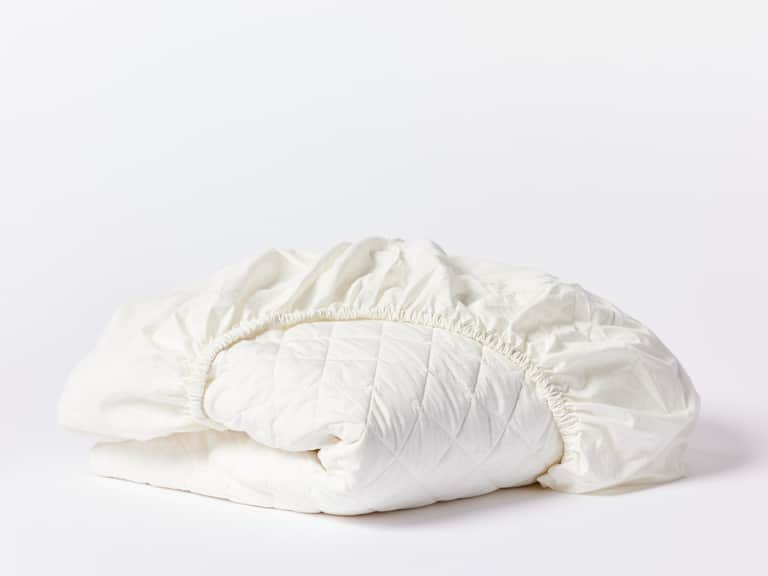
A breathable mattress protector can help shield the sleep surface from everyday moisture and spills, while fitted sheets should be sized to the mattress depth. For cleaning, avoid soaking internal layers or using unapproved products. A stain or moisture problem is easier to address promptly, but the safest method is the one specified by the manufacturer.
Regularly inspect the bed base and surrounding conditions as well. A mattress may be affected by uneven support, persistent dampness, or poor ventilation. Simple habits—keeping bedding clean, allowing the surface to air when practical, and responding to spills quickly—can support a cleaner sleep environment without implying that any product will last forever.
Is a premium pocket-spring mattress the right fit?
There is no universally correct mattress construction. Someone drawn to pocket springs may value responsive support, a layered design, or reduced movement transfer. Another sleeper may prefer a different feel or prioritize a simpler material profile. Budget, delivery arrangements, room access, bed-base compatibility, and the ability to test the mattress are practical parts of the decision—not afterthoughts.
For a product such as the Diamond Majesty, the most useful evaluation combines the technical and the personal. The spring configuration and upholstery details tell you how the bed is built; a careful trial tells you whether its feel works for your body and sleep habits. A conversation about sourcing, warranty, and maintenance fills in the ownership picture.
Take time to lie in your usual sleep positions, and stay there long enough to notice pressure and ease of movement. If two people will share the mattress, both should try it. Ask for written details about construction and care, and avoid making a decision solely because a material is rare or a spring count is impressive.
The takeaway
Vispring’s pocket-spring design offers a useful case study in how springs, upholstery, and hand-finished construction can come together in a premium mattress. The Diamond Majesty, with its three layers of pocket springs, natural-fiber upholstery, vicuña top layer, and detailed side construction, makes clear that a mattress is a complete system rather than a single component.
For shoppers, the best next step is to look past the headline claims. Understand the spring layout, consider how the comfort layers feel, ask careful questions about rare-material sourcing, and check the requirements for the bed base, warranty, and care. Those details will not make the choice automatic—but they can make it far more informed, and help you decide whether the mattress is a good match for the way you actually sleep.